Sep 8, 2026Buying Guides
How to Import Paper Gifts from China: MOQ, Shipping & Compliance
A step-by-step import guide for first-time buyers: MOQ and sampling, Incoterms, payment terms, destination-market compliance, and shipping documents.
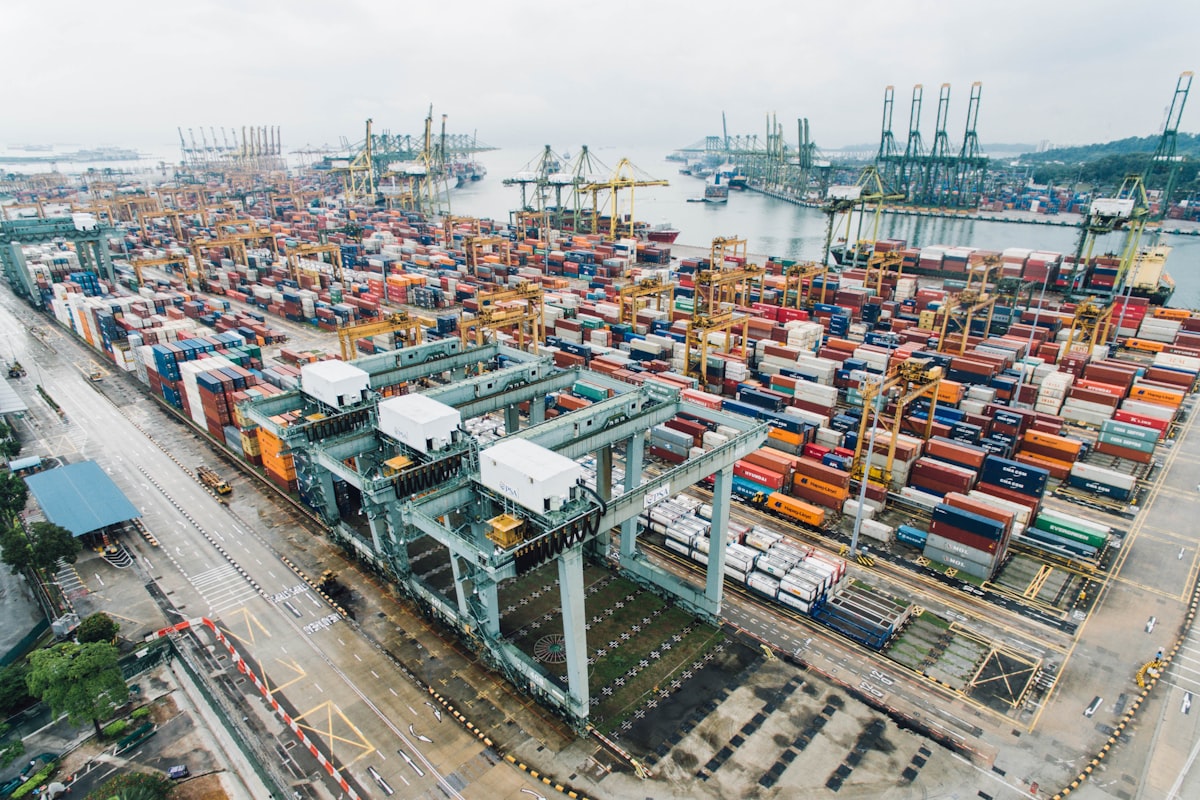
Importing paper gifts from China for the first time can feel like a black box: how do you find a supplier, how many pieces must you order, and who is responsible for what once the goods leave the factory? This guide walks through the process in five practical steps, then covers MOQ, trade terms, compliance, and shipping documents so you know what to expect before you send your first inquiry.
The Import Process in Five Steps
Nearly every first order from a Chinese manufacturer follows the same path. Understanding it upfront helps you plan budgets and timelines realistically.
Step 1: Product Selection and Inquiry
Shortlist products and send suppliers a clear inquiry: model or reference images, quantity, customization needs (logo, packaging, dimensions), and your destination market. The more specific your brief, the more accurate the quotation — vague inquiries almost always lead to revised quotes and delays later.
Step 2: Sample Confirmation
Always approve a physical sample before mass production. For paper goods, check print quality, paper weight, glue bonding, and for lighted items the LED color and switch function. Keep the approved sample as your quality benchmark and refer to it in the contract.
Step 3: Contract and Deposit
A simple purchase agreement should fix the specifications, unit price, total quantity, production lead time, payment terms, and quality standard ("per the approved sample"). Suppliers typically begin production after receiving a deposit.
Step 4: Production and Inspection
Ask the supplier for photo or video updates during production, and arrange a pre-shipment inspection before the balance payment. Third-party inspection companies can check goods on site for a fee if you cannot visit the factory yourself.
Step 5: Shipping and Customs Clearance
Goods ship by express courier, air freight, or sea freight depending on volume and urgency. Your customs broker (or the freight forwarder) files the entry, pays duties and taxes, and releases the cargo. For first orders, many buyers let the supplier quote door-to-door delivery so there are fewer moving parts to manage.
MOQ and Sampling: What to Expect
The MOQ (minimum order quantity) is the smallest quantity a supplier will accept per order. Industry-wide, it typically ranges from a few hundred pieces for fully custom paper goods down to far less for catalog items bought with minor changes such as a logo. MOQs exist because setup — tooling, printing plates, material sourcing — costs the same whether you order 50 pieces or 5,000.
Our own practice at Aperlaser2: MOQ is 1 piece, and custom orders are produced in about 7 days, which lowers the entry barrier for small gift shops and online sellers testing a new line. Sampling is the step worth investing in: a paid sample (often credited against the bulk order) is cheap insurance against a container of goods that miss the mark.
Trade Terms and Payment, in Plain Language
Incoterms define who pays for and is responsible for each leg of the journey. The four you will meet most often:
EXW (Ex Works): you collect the goods at the factory gate and handle everything after that — cheapest on paper, but the most work for you.
FOB (Free on Board): the supplier delivers the goods cleared onto the vessel at a Chinese port; you pay the ocean freight and import side. This is the most common arrangement for sea shipments.
CIF (Cost, Insurance and Freight): the supplier covers freight and insurance to your destination port, but you still handle customs clearance and local charges.
DDP (Delivered Duty Paid): the supplier delivers to your door with duties and taxes paid — the simplest for first-time buyers, at a higher unit cost.
On payment, the industry-common structure is a T/T (bank wire) deposit before production with the balance due before shipment or against the Bill of Lading. Whatever ratio you agree, put it in the contract and align the final payment with a passed inspection.
Compliance Requirements by Destination Market
Paper itself is rarely the issue — electronics and packaging are. Requirements vary by market and product type, so confirm with your supplier for the destination market before ordering. As a general orientation:
European Union: products with electrical components generally need CE marking (covering LVD and EMC directives) plus RoHS compliance for restricted substances. UK: the equivalent is UKCA marking after Brexit. United States: electronic items typically fall under FCC Part 15 rules, and children-oriented products carry additional toy-safety testing obligations.
If your gift includes lithium batteries (for example, a rechargeable LED light box), expect UN38.3 battery test documentation for air transport. Ask which certifications the supplier actually holds in writing, and never assume a certificate exists because a logo appears on a listing.
Inspection and Shipping Documents
A pre-shipment inspection normally covers quantity, workmanship, function, packaging, and labeling against the approved sample. For paper gifts, pay particular attention to corner protection and inner packaging — paper edge damage is the most common complaint on decorative items.
Standard export paperwork includes the Commercial Invoice (declared value for customs), the Packing List (carton counts and weights), and the Bill of Lading (B/L) for sea freight or an air waybill for air shipments. A Certificate of Origin (CO) may be required or may reduce duty under a trade agreement — check with your customs broker before shipping so the supplier can prepare it in time.
Frequently Asked Questions
Can I import paper gifts from China in small quantities?
Yes. MOQs typically run from a few hundred pieces for fully custom items down to one piece at some suppliers, though unit prices fall as volume rises. Start small with a sample order, then scale the design that sells.
How long does a first order usually take?
Plan for sampling, production, and shipping sequentially: a few days to two weeks for samples, typically 15 to 45 days of production depending on customization, though suppliers with streamlined custom lines can quote about a week for simple items, plus transit time by air or sea. Confirm both dates in the contract, not in a chat message.
Which trade term should a first-time importer choose?
If you have no freight forwarder yet, DDP door-to-door is the simplest because the supplier arranges delivery with duties paid. Once you work with a forwarder, FOB usually gives you better control over shipping costs.
Ready to test the process with a real order? Send your product idea, quantity, and destination market to Aperlaser2 by email or WhatsApp for a quotation and sample plan.
Written by the Aperlaser2 team, direct manufacturer of 3D memo pads and paper cut light boxes in Shenzhen. Last updated: 2026-09-08.